
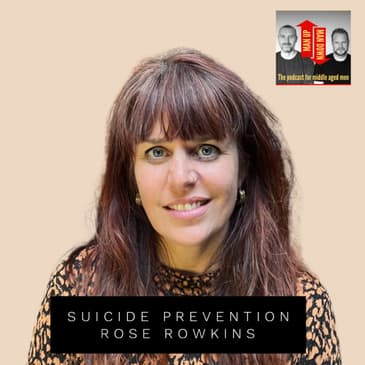
In this episode of "Man Up / Man Down," hosts David and Volker welcome Rose Rowkins, a suicide prevention trainer, to discuss the critical importance of suicide awareness during Suicide Awareness Week.
Rose, who has over 20 years of experience in mental health and suicide prevention, emphasises that conversations about suicide, while often perceived as difficult, can be lifesaving when approached with courage and compassion.
She explains that by recognising warning signs—such as changes in behaviour, mood swings, and expressions of hopelessness—individuals can intervene before a crisis escalates.
Rose introduces her "START" method; a toolkit designed to help people navigate these conversations.
It stands for:
· Spot the signs
· Trust your gut
· Ask directly about suicide
· Really listen
· Tell others together, reinforcing the importance of collaborative support.
Rose stresses the need for direct, compassionate questions when someone is at risk, highlighting that while asking about suicide can be tough, it’s essential for opening a dialogue that might save a life.
The conversation also touches on the impact of testosterone levels on men’s mental health, with Rose noting the connection between low testosterone and increased suicide risk. This underscores the importance of addressing physical and mental health together.
The episode reflects on the cultural challenges, particularly among men, in discussing emotions and vulnerabilities. Rose and the hosts agree that while traditional male conversations often avoid emotional depth, breaking this mould is crucial. They advocate for fostering meaningful connections and community support, which are vital for mental well-being.
Throughout the discussion, Rose provides actionable insights, encouraging listeners to be proactive in supporting friends or loved ones who may be struggling. The episode concludes with a reminder of the importance of being present, compassionate, and unafraid to ask the tough questions, emphasising that everyone has a role in preventing suicide.
Rose Rowkins is on a mission to help people overcome their fears and find the words to talk about suicide - because suicide is everyone’s business.
For 20+ years, she has worked passionately to build hope through meaningful connections, one conversation at a time, as a Samaritan, as a counsellor with young people and survivors of domestic abuse, as a youth worker, and since 2015 as a suicide prevention trainer. Rose has personally equipped 1000s of people around the world with the tools and confidence to have a compassionate, courageous conversation that can save a life.
She also co-created the 90-minute session Talking about Suicide: 10 Tools (TAS10), which is now on the curriculum at a number of UK Medical Schools.
Find her at www.starttheconversation.uk or on LinkedIn at https://www.linkedin.com/in/roserowkins/
Hosted on Acast. See acast.com/privacy for more information.
[00:00:05] Welcome to the Man Up, Man Down podcast presented by Volker Ballueder and David Pawsey.
[00:00:12] We discuss the pressures and challenges faced by men approaching middle age that we're
[00:00:16] often too embarrassed to speak about with our friends.
[00:00:20] You can find us online at www.manupdown.com.
[00:00:26] Enjoy the show and don't forget to subscribe and leave us a review.
[00:00:37] Welcome to another episode of Man Up, Man Down.
[00:00:41] This is a very special episode as we're going to be publishing it.
[00:00:46] Well you're listening to it right now during Suicide Awareness Week.
[00:00:51] So we're delighted to have Rose Rokens here.
[00:00:54] Rose is part of an organisation called Start the Conversation.
[00:01:00] Basically she's on a mission to help people overcome their fears and find the words to
[00:01:04] talk about suicide because as she says suicide is everyone's business.
[00:01:09] For 20 plus years she has worked passionately to build hope through meaningful connections,
[00:01:14] one conversation at a time as a Samaritan, as a counsellor with young people and survivors of domestic
[00:01:20] abuse, as a youth worker and since 2015 as a Suicide Prevention Trainer.
[00:01:27] And Rose has personally equipped thousands of people around the world with the
[00:01:30] tools and confidence to have a compassionate courageous conversation that can save a life.
[00:01:36] She's also co-created the 90 minute session talking about suicide 10 tools,
[00:01:41] which is now in the curriculum at a number of UK medical schools.
[00:01:45] Well thanks very much for joining us Rose.
[00:01:48] I mean another reason why this is a special one is because we have already had this conversation
[00:01:52] but the internet went down it didn't record.
[00:01:56] So Rose has thankfully joined us at eight o'clock on a Monday morning which is why I'm probably
[00:02:04] stumbling over my words a bit more than usual.
[00:02:08] But just on a personal note, I went into sort of one of our well I live in a small village
[00:02:15] equidistant between two towns. I went into one of the towns on Friday and drove over a bridge
[00:02:22] and basically they're all flowers up and it was like oh god you know and then I saw on a Facebook
[00:02:28] group that yeah someone, a male had taken their life and you know I just highlights the fact that
[00:02:39] you know there's probably a tribute like that going up around every town in Britain,
[00:02:44] if not around the world, on far too regular a basis.
[00:02:49] Which is my incredibly upbeat way of saying thanks for coming on again Rose.
[00:02:56] So yeah obviously a very important topic to talk about.
[00:03:00] It is, yeah and it's a hard thing to see even if you didn't know that person you've seen that
[00:03:04] and you've remembered it and you're not going to forget that and you know for the people who
[00:03:08] knew that person well they will never, they will never forget.
[00:03:12] And so many of us have been touched by suicide and yeah you said those memorials, those flowers
[00:03:20] are going up yeah one person dies every 90 minutes in the UK by suicide.
[00:03:26] It's terrifying, it's too much, it's too much you know way too much when we know that most
[00:03:31] of these suicides we believe can be prevented and that's a horrible thing to hear after somebody's
[00:03:36] died but you know in a way it's hopeful because we know that people who are still alive
[00:03:40] they can in the most part get help and choose to stay alive but it needs recognising much sooner,
[00:03:52] hopefully before it gets to crisis point and that's what I teach, that's what I hope
[00:03:57] that people understand that courageous conversations can save lives.
[00:04:03] I mean as you say you know it's a very tricky conversation to have
[00:04:10] but you know you said there are warning signs.
[00:04:15] I mean can you sort of talk us through you know what, well yeah you know what are the
[00:04:23] warning signs and is there a grading system almost you know from certain words to I guess you know
[00:04:32] signs of self-harm. Just to be really clear I'm really conscious of trying not to say it's
[00:04:40] a tricky conversation to have or a difficult conversation because actually I think once you've
[00:04:44] got the tools it needn't be difficult or tricky and I'm worried that something I'm just very
[00:04:48] conscious of trying not to say because I think it can kind of put people off and go oh yes
[00:04:52] it's difficult and we shy away from difficult things. It's courageous for sure and it's compassionate
[00:04:56] and it's caring but I think with a few simple tools well I don't just think I know
[00:05:04] from conversations I've had when I've been thinking about suicide it's
[00:05:09] yeah it needn't be tricky it's not rocket science and yet we're so afraid of it so it
[00:05:15] happens so often. In terms of the signs is there a hierarchy I mean not really someone's either
[00:05:23] thinking about suicide or they're not right and so we just want to know if they are because
[00:05:26] we want them to not be alone with those thoughts but how do we know I mean a lot
[00:05:32] overriding it's just a trust is trusting your gut like we we I think we know when
[00:05:37] somebody is struggling but we often don't want to believe it we want to think well not my mate
[00:05:42] not them no that doesn't happen in my friendship circle or to my family
[00:05:46] so we're going to push it down we ignore it but I think the truth is we often know and too often
[00:05:52] sadly we know with hindsight after somebody's died and we think shit I think they were trying
[00:05:56] to tell me something and I wasn't listening but there are some real tangible things yeah to
[00:06:02] look out for I mean if your mate if your mate is withdrawing you know stop responding to what
[00:06:07] saps as often as they did or not just not showing up to the pub or you know just not
[00:06:12] not meeting you not showing up either online or in person drinking more than usual
[00:06:20] or sometimes perhaps almost like overcompensating because I think we're very good at what aren't
[00:06:25] we as humans about putting on a mask so that's all if I'm fine I'm fine I'm fine that insistence
[00:06:30] that someone's fine when like I said your gut is like I don't think you are mate you're telling
[00:06:35] me you are and I don't want to call you a liar but I don't want to trust you but I have to say
[00:06:40] like what you're saying doesn't seem to match what you're doing and and I want to know about that
[00:06:44] you know it's not trying to catch someone out it's not like you're with them right you're a
[00:06:49] team with them you're not so I think it's so it's any changes in behavior we're looking for
[00:06:54] shifts shifts and mood downwards shifting mood upwards as well sometimes people feel very calm
[00:06:59] when they've started to think about suicide because they can see an end to their pain
[00:07:05] and you'll notice sort of things guys you know what you're listening out for like I can't take it
[00:07:10] anymore I don't want to be here anymore I'm a burden on others you know these sorts of things would
[00:07:15] get you worried right if you'd hear somebody say that so it's really about taking notice and
[00:07:20] repeating it back to them hey I just heard you say that thing like that you're a burden
[00:07:24] you're not to me tell me what how tell me about that I want to know why you feel that
[00:07:31] um yeah there's a lot I mean there's a you know there's lists but you can't really
[00:07:36] memorize massive lists of like signs that's why overridingly it's just it's it's trusting your gut
[00:07:47] yeah because none of us want to go through that after we've lost somebody we never
[00:07:50] want to ever do that again do we no welcome for me again as well um thanks thanks thanks for coming
[00:08:02] back I I think what you just said it's it's you know you you say it's not a difficult conversation
[00:08:11] but as we all know men men are not the most talkative right when we go to the pub we don't go and go
[00:08:17] like oh how's the family you know how are you doing you know how are you feeling you
[00:08:23] know we go like oh how did your team play right um or the question to your wife asks you
[00:08:29] when you've seen a friend oh what did you you know how are they how's their wife how's this how's that
[00:08:34] you're like I don't know we didn't talk about that sorry Volker carry on yeah but but that's true
[00:08:40] right we we talk about you know did you see that woman over there right in the short dress right
[00:08:45] those as a banter we we see I never say things like that no I don't but you know just make it up
[00:08:54] so we you know we if I say and I don't want to stereotype you we're not as in touch with our
[00:09:01] feelings as much as maybe you know women are so how how can we notice it because you know if
[00:09:10] if we go out for you know and they use a typical example if we go out for a pint watch the footy
[00:09:15] um you know we we not talk about our feelings right and we we don't go up to our mates go like
[00:09:21] you look a bit sad is that because you know whoever is not winning right or
[00:09:26] you know I don't think someone someone goes like oh yeah I don't want to be here
[00:09:30] or why do you not want to be here because the team is not playing I mean we overplay it we we
[00:09:35] we almost afraid of going that level deep and go like you know what you just said this
[00:09:40] is that what do you mean and why are you saying that
[00:09:46] yeah so how do we overcome that how do you ever come it I guess sometimes it might be um you know
[00:09:53] say the example that you've just given you know you're in the pub with your mates and maybe maybe
[00:09:57] there's something that you think about maybe afterwards maybe in the moment you're just
[00:10:01] in the moment you're watching the game or whatever but it might be that especially having had conversations
[00:10:06] like this like we're having now or your listeners might go oh yeah no my awareness does just like
[00:10:11] heighten like I'm talking about radar blipping so maybe your radars go oh maybe that's something to
[00:10:18] just store and have a concern about the person maybe you get another blip on your radar and maybe
[00:10:22] it's not that maybe this conversation doesn't happen with them in the pub but maybe after you
[00:10:26] go home you you know you ping them a message and say I like I didn't say this in the pub
[00:10:31] but you did seem a bit different to yourself and um you know you could even say things like
[00:10:37] you know I've listened to podcasts on this stuff or look we all know that we're you know too many
[00:10:41] men are struggling and let's not let's not be two of them let's let's be different let's break the
[00:10:47] mold here I don't I don't want you to be struggling on your own if you are you know reinforcing
[00:10:52] this idea there's no weakness in it if I was struggling I'd want you to be my mate I think
[00:10:56] that's often the way if you flip it around as well and say you know I it's kind of tip for
[00:11:02] tat almost isn't it which I get you know it's like if I was struggling would you be there for me
[00:11:06] who's going to say no your mates are going to go of course mate of course I'm here for you
[00:11:11] all right well right now I'm here for you and I think you might need me and that's okay
[00:11:15] and you know so there's something about making sure that there's no there's no shame here
[00:11:20] I mean shame is a killer shame literally kills people because it keeps people silent
[00:11:25] like so saying to that friend I've struggled you know maybe maybe owning it a bit yourself
[00:11:31] and say I don't know what's going on for you right now but my hunches that things aren't great
[00:11:36] if they're not I want to know and I really want to know and I don't I don't there's no blame there's
[00:11:42] no shame here I think it's just being quite forceful with it a little bit and trying to say like let's
[00:11:48] let's do things a little bit differently here we've never had a conversation like this before but
[00:11:51] hey it's the first time for everything and you know you matter to me you're important in my mate
[00:11:58] I know it's and I get what you're saying like when I'm like oh it's not difficult
[00:12:02] that's not me saying it's not difficult I understand that yeah if when it's new of course
[00:12:07] it is difficult I guess I'm just conscious when I'm talking about what the work that I do
[00:12:10] I don't teach difficult conversations because I don't want that to sound like it's a barrier I teach
[00:12:15] courageous conversations and maybe that's something that appeals to you to your listeners like this
[00:12:20] is a brave thing to do this is the right thing to do isn't it because the alternative
[00:12:24] is unthinkable if you did nothing and then God forbid something happened to that friend
[00:12:29] as in they couldn't take it anymore and they took their own lives it's unthinkable
[00:12:34] that you would then go oh I didn't I didn't just say are you all right are you really all right
[00:12:40] it's just you know so in that way it seems comparatively not difficult the difficult thing
[00:12:48] is dealing with somebody's death and we don't want to we don't want to go there
[00:12:53] you know there is it doesn't it is it is hopeful what I do because it's like it's given people skills
[00:12:59] and tools and that's really all we ever want is especially men you know the the limited amount
[00:13:05] I know about men not being around myself you know you want to help yourselves a lot of the time
[00:13:10] you don't you don't you know struggle in saying I need help it's difficult it is for anybody
[00:13:15] but more so for men we know that three quarters of suicides are men and there's a reason for that
[00:13:21] man up man down is sponsored by well-doing there's someone who has seen a counselor for a number
[00:13:26] of years I think their approach is great they want you to find the mental health professional
[00:13:30] who is right for you you can filter your search to highlight therapists with expertise where you
[00:13:35] need it or you can pay to use their personalized matching service the people who run well-doing
[00:13:40] are experts in mental well-being and they also have loads of posts and interviews to keep
[00:13:44] your mental health in good shape to take a look at welldoing.org
[00:13:50] I think you hit the nail on the head there about how you know yeah men well from my own perspective
[00:14:04] you know I'd say that's one of my you know biggest weaknesses is that I'm not very good at asking
[00:14:09] for help it is you know regardless of the situation it's like oh well I can you know so
[00:14:14] I can find this information out myself or I could you know I can handle this myself
[00:14:19] and and and she sort of mentioned the word sort of burden and I think you know obviously we're
[00:14:28] talking about spotting signs in others but I think you know often you're like well I don't want to
[00:14:36] share this because I don't want to be a burden on someone else I mean so I mean obviously you've
[00:14:45] been doing this for 20 plus years I mean have you how much sort of change have you seen in terms of
[00:14:52] of it becoming more of an open conversation and you know has there been any particular catalyst
[00:15:00] that seems to have fueled the conversation at any point?
[00:15:06] Yeah because suicide is I think it is more and more in the news you know over the 20 or so years
[00:15:12] I've been working in mental health and tenaphones in particularly in suicide I've definitely noticed
[00:15:16] that um it's I think it's spoken about more and I think the catalyst really for these
[00:15:22] conversations has been Covid where we were actually um any question you know we were
[00:15:28] all checking in with ourselves all the time weren't we during Covid because it was a bloody
[00:15:32] weird time so and my feeling was that during 2020 and 2021 when you said how are you and the answer
[00:15:39] was fine it was like well bullshit because no one's fine like none of us are okay and so I do think
[00:15:44] that that that time really did push the conversation around mental health further and make it much
[00:15:50] more much more okay much more normal and I feel like with the new generation I mean when I
[00:15:55] was working as a counselor I was working mostly with teenagers young 13 14 up to about 19 lots of
[00:16:01] boys lots of young men some of them 13 year old boys and I've really I had some beautiful moments
[00:16:09] with them where um you know they'd be we'd be working through maybe their OCD or their anxiety
[00:16:14] or their suicidal thoughts whatever it was they were bringing to me and at the end of sessions
[00:16:20] they started saying oh this stuff's brilliant I'm going to go back and talk to my dad about
[00:16:24] this I'm going to teach my dad this stuff he needs to know it and I thought wow this is amazing
[00:16:28] because this is the new generation coming through and they're they're now educating upwards to their
[00:16:32] their dads because they can see their dads are struggling with stuff I mean how beautiful is that
[00:16:37] you know that that gives me hope that the new gen that you know these young young lads are a
[00:16:42] they're reaching they're getting therapy they're not they're not afraid to go and talk about
[00:16:45] how they're feeling I mean I'm generalizing these are just the ones I was talking to
[00:16:49] that but they're not they haven't been forced to come it was optional very much you can't
[00:16:53] therapy doesn't work if they're forced to come and you know yeah they were getting so much from it
[00:16:59] they were wanting others to know and that was yeah that's exciting isn't it more of that please
[00:17:06] and in that way I think social media you know gets a bad rap but it's got it can be a force
[00:17:11] for good you know there's some amazing instagram tick tock accounts where people are are really
[00:17:19] pushing the conversation and making it okay to talk about things you know it's okay not to be okay
[00:17:23] this whole concept yeah yeah there's also the idea that it's also okay to be okay because I think
[00:17:28] it was a danger of gone so far the other way is all feelings are valid right and that's
[00:17:35] that's I think that message is getting through to the new generation I think you're right I mean
[00:17:43] the younger generation is more prepared to talk about their feelings which is good
[00:17:47] yeah right and I think we say our generation so let's talk about generation if I say we middle
[00:17:52] aged men I think most of us if you look at it's a demographic had parents that grew up in the war
[00:17:58] right especially in Germany so I can you know not an episode where I don't mention the war but
[00:18:08] the you know there's there's legacy from the war right we don't talk about things we don't
[00:18:13] talk about our feelings right we don't want to talk to someone you know who comes from the war
[00:18:17] right but what they have gone through and and if I say there was distilled it to say into into my
[00:18:23] grandparents and then my parents generation and if I say slowly comes out we now start you know
[00:18:29] if I say our generation now slowly at least I think starts talking about about things in general
[00:18:34] and I remember we had you know if don't remember his last name Steven from from the Netherlands
[00:18:39] on who was a coach and he wrote a book on you know how to talk to your dad right Steve course
[00:18:45] Steve course that's one Steve go and he you know it's about talking to each other and
[00:18:53] something if I say our generation was never taught taught to do right and it's interesting
[00:18:59] that you say that the younger generation learns about it and they're much more receptive to
[00:19:04] therapy right that therapy is something oh yeah that's that's great you know it's like I get
[00:19:08] coach I get a therapist you know I have my mom and dad you know I have you know I have all these
[00:19:13] people that support me and then they help the older generation but how can the older generation
[00:19:19] help themselves because correct me the average age for suicide in men is 42 43 so middle aged men
[00:19:27] are the most at risk group yeah yeah so can we help ourselves yeah if you haven't got a son
[00:19:35] who's coming home from therapy and teaching you about it what's the other alternative yeah exactly
[00:19:39] what's what's what's the alternative right I mean yeah who's looking after us if you know we I mean
[00:19:45] we can't allow that younger generation to go like oh dad you know you you bit down right and and as a
[00:19:51] as a as a dad that doesn't talk you would go like oh don't worry son you know everything is okay
[00:19:55] you know the next day you do things the other way yeah I think the answer is what we're doing
[00:20:01] right now Volker I mean there was some brilliant research done recently by um by Jack Woodams he's
[00:20:06] part of a group called he started a group called Menfulness up in York and he's done some research
[00:20:10] into the power the power of podcasts um and actually that um you'll be pleased to know you
[00:20:16] know when people listen to podcasts like this it does actually it breaks down the stigma it
[00:20:20] starts conversations you know people might well after this conversation go do you know what I
[00:20:24] am worried about that mate and I'm going to just say something and that's what I get people
[00:20:27] say at the end of my courses even just a 90 minute course the one you mentioned taz 10 I've had people
[00:20:32] afterwards saying I've been worried about a mate for weeks and I've been putting off calling them
[00:20:37] and I can't put my finger on why I just know I think they're having some relationship trouble
[00:20:41] maybe there's some financial issues I don't know maybe that but that's enough to be worried isn't
[00:20:45] it about somebody and they say I've been worried about him for weeks and I've been putting
[00:20:49] off calling them because I don't know what to say it's going to be awkward but now having
[00:20:54] had that 90 minute training or maybe having listened to a podcast like this I'm going to give them a
[00:20:58] call and I still don't know really what to say but I'm just going to have a go and I'm just going
[00:21:02] to fumble through it and and and I'm like well my work here is done brilliant that's that's what
[00:21:08] we need that's exactly what we need and sometimes when you're making those calls it is like saying
[00:21:13] hey mate I only really know why I'm calling I don't even know what to say right now but I just
[00:21:18] something is telling me that you need a mate and here I am you know and it can be just that
[00:21:23] you don't have to have some deep profound answer in fact it's helpful if you don't try and fix
[00:21:28] their problems you know it's just I'm here you're not alone I don't know what it is if you want to
[00:21:33] talk great if you want to go out and go for a run or you know whatever I just just be with people
[00:21:39] be with me I want to I want you to not be whatever it is so you're talking or think
[00:21:45] you're going through on your own going through it you know I think there's just I don't know
[00:21:50] probably gone off track and left but oh yeah Volker's question was about how do you educate
[00:21:55] yourselves I think I think you're doing it you know wanting to if you learn if you lose one mate
[00:22:00] to suicide you know let that be the catalyst to never to learn something you know to learn these
[00:22:05] tools and the tools are get your radar going you know start the bloody conversation say something
[00:22:11] say something not nothing and it doesn't matter what the something is it could be just
[00:22:15] I'm here I love you mate I don't know let's do something that's not be on your own
[00:22:20] and it's and it's asking if the key thing really is asking directly about suicide now that could
[00:22:26] be hard I get that but saying a thing's so shit right now that you are considering suicide
[00:22:33] because if you are I want to know about it so we can get you the right help
[00:22:38] that's that's a that I get it that's tough that's a tough question to ask but it is the
[00:22:42] right question to ask you know when the time is right it's not the first thing you say you're not
[00:22:47] going to come in straight and say that but you know in the context of you know I'm with you and I
[00:22:54] don't want anything bad to happen to you yeah asking listening and then and then bringing some other
[00:23:01] bringing some other folks in on their terms it's all with consent it's all collaborative
[00:23:07] and that's really important you know you're not coming in as some sort of professional or expert
[00:23:11] it's your mate you know it's just you just want to be like dude if you're struggling let's get you
[00:23:17] the people that can help you not struggle because you would do this for me so let me do it for you
[00:23:21] yeah just keep going back to that yeah I'm waffling now I hope this is making sense
[00:23:27] no it's not
[00:23:32] it's early and I've not had a coffee so
[00:23:37] no no that don't make sense and so so friend of mine we spoke a few weeks ago and
[00:23:45] he just lost I don't know his cousin or you know relative or friend to suicide
[00:23:51] and and that sparked a conversation for us you know I've known him since uni right I've known him
[00:23:56] for 20 years you know but whether we would talk to each other about you know problems we have or not
[00:24:05] because we see each other I don't know once a year twice a year right we speak maybe four times a year
[00:24:11] and once of a sudden we we spoke on the phone for about an hour
[00:24:15] you know reassuring each other that if things got really worse we would have someone to talk
[00:24:20] to we could talk to each other yeah and I think that's and that's important too right and that shouldn't
[00:24:27] and as you said right it shouldn't happen because someone died right it should happen before
[00:24:36] yeah ideally yes but so often it does happen because of the because you know something suddenly
[00:24:41] about the pain that is left behind and you're like never again you know no we can't do that
[00:24:46] so often in a friendship group that's what I work with a lot of a lot of young people in
[00:24:51] their time sort of 20s 30s and who have lost a particular well lost friends in their sort of
[00:24:58] teens and they ask the word you know it gets used around too much but they they're like I am a
[00:25:03] different person since that since my friend died and we're all as a friendship group a different
[00:25:08] people that we be checking so much more this is men and women yeah yeah it is often after a
[00:25:14] loss but if we can do it before I mean better but you know the truth is I don't know many people
[00:25:21] I've hardly met a person who hasn't been affected by suicide in some way whether it was a close
[00:25:26] friend or a family member but all or just sort of like a friend of a friend you know
[00:25:29] it's around us you know we see we see these bridges with the flowers even that even a stranger
[00:25:34] that's affected you David just seeing that you're like wow that's in my community okay wow
[00:25:39] this is happening and it is it's happening all around us and it is important to talk about
[00:25:46] and it's important to share you know if somebody's died not not the method we don't
[00:25:52] ever need to know about the particular method of suicide but to know that a person died by
[00:25:55] suicide opens up the conversation and so often that's historically of course
[00:26:01] yeah not been spoken about and the shame around it I mean historically well it was a crime
[00:26:06] wasn't it till 1961 and and you know people who died by suicide were not allowed to be buried
[00:26:11] in certain areas of a graveyard you know not consecrated ground really super shameful for the family
[00:26:18] you know no payout on insurance there's like there's so much more that happens
[00:26:24] it's a very unique kind of loss as well then the grief is I've heard it called like
[00:26:29] it's grief with a magnifying glass it's grief it's grief magnified after a suicide because
[00:26:34] the questions afterwards the unanswered questions and they'll never be they'll never be answered so often
[00:26:41] well they won't be and that's horrible yeah pain you never get closure right
[00:26:50] yeah it's almost the opposite I think you you will always question what could have done
[00:26:54] to prevent it yeah that's right and there's a piece that you know you've got to reach a
[00:26:59] place of peace there's an incredible book coming out soon called daddy blackbird a lady called
[00:27:03] caroline's written it her her husband died by suicide in 2018 gosh I hope I got that right it was around
[00:27:11] that time and she's written this book and it really takes you through the she talks a bit
[00:27:17] about this is three sections of history there's a history of her husband Steve and then the second
[00:27:22] section is called the horror and it's a hard read and she says it at the end of part one
[00:27:26] she's like if you don't need to know this next bit if you're not ready for it move on but
[00:27:29] then the last section is hope and she talks about surviving and thriving and you know living a life
[00:27:34] that feels peaceful and meaningful again and having taken learning from it but the horror section
[00:27:40] you know what she's gone through what families go through yeah and the mixture of emotions
[00:27:47] because it's anger as well you know you're grieving this person but also it's how dare you do this
[00:27:51] to me how dare you leave us and our family and our kids and oh but and yet you know
[00:27:59] carol to that with compassion which she always does and people do is like
[00:28:02] i'm furious at you and yet you must have been in so much pain and it's unbearable it's unthinkable
[00:28:07] amount to think that that was the best thing for you for us and that's where people that's what I
[00:28:12] mean by the burden isn't it people genuinely think the others are better off without me the
[00:28:17] truth is nobody's better off without you everyone wants you here you don't see it you're the
[00:28:22] only one who doesn't see it but all the more reason for us as mates if we're feeling robust in
[00:28:27] ourselves in that time to let people know you're important to me you know if you're
[00:28:34] being kind being being more we're so quiet we're so shy in england we're so we don't like speaking
[00:28:40] about how we feel or being grateful or but you know it's pinging that mate a message like saying
[00:28:47] so good to see you mate you know let's do more of it i want more of you in my life you're
[00:28:51] important to me these little messages can really save lives if we don't if somebody's feeling
[00:28:55] like they're a burden they need to see they need to hear that and even if they're not you know let's
[00:29:00] just give someone a boost you probably get it back as well which is also nice it's not the
[00:29:05] not the goal but it's nice to just i don't know i sound like a right hippie now to share the love
[00:29:10] yeah but i mean this is sort of interesting you know the because you know as as we've sort of
[00:29:17] said um which you know might not have been in this conversation it might be the last conversation but
[00:29:27] you know like the way that men are it's you know we banter rather than talk so you're not going
[00:29:34] to pick up your mate you're going to take the piss out of him because you know he's wearing skinny
[00:29:39] jeans sort of thing you know it's like what are you wearing you know you don't have a right
[00:29:42] to wear these um and and you know and often it yeah you know it's like well if you're in a fragile
[00:29:49] place that banter can um you know which can have quite a negative effect which you know i'm not
[00:29:57] not saying to everyone stop bantering with your mates but um i mean so and volker sort of touched
[00:30:04] on on about the fact that we weren't taught this and i think you know like my son starts
[00:30:12] secondary school in september well as this goes out he would have just started school um
[00:30:18] but you know they sort of i know that they go into their lessons and and you know at the start
[00:30:23] well sorry at the start of school at primary school it'd be you know you choose a color of how
[00:30:30] you're feeling that day so you know if you're feeling really good it's a green you know and
[00:30:34] and it's like wow yeah just simple things like that like expressing that you're not feeling great
[00:30:41] and the you know you are yeah not feeling 100 percent i guess you know and it is just a great way
[00:30:48] of getting that natural conversation going um i mean i'm quite conscious that we haven't actually
[00:30:54] mentioned the uh the 10 tools i mean are they are they something that you can sort of talk through
[00:31:04] hello folks it's volker here i hope you enjoy this week's episode as you know i coach
[00:31:10] executives whether that is for leadership skills or sales leadership skills or working as a therapist
[00:31:17] too there are few ways i can help you to get unstuck improve your work life balance or become a better
[00:31:23] version of yourself so you will be more productive and have more time for your family whatever it is
[00:31:31] you can join my client list of people from general electric pepsi dhl boots and many others
[00:31:38] book a free exploratory call via my website www.opinart.us that's obnat.us now back to the show
[00:31:55] yeah yeah sure i mean that is in terms of how you can educate yourself yeah we run open sessions
[00:32:00] 90 minutes on zoom regularly um teaching you these these 10 tools and we chose the word
[00:32:06] tools really specifically because you know it's it's like a toolkit it literally is a toolkit
[00:32:09] yeah i mean i can talk through what those are i'll do i'll probably teach you the five that are
[00:32:14] really important because there's five that are like non-negotiable and and beautifully well not
[00:32:18] beautifully i mean i i wrote it they spell out the word start so one is so number one is um s
[00:32:25] stands for spot signs always a spot that's possible signs and we've talked about what
[00:32:29] some of those might be so like yeah withdrawing more alcohol than usual aggressive maybe or um
[00:32:38] um changes in yeah mood up and down up or down um and then those sort of phrases that we talked about
[00:32:45] as well like i can't take it anymore or or i'm just i can't think i'm overwhelmed i can't think
[00:32:50] straight what are these sort of phrases or i'm fine um so that's spot the signs t stands for
[00:32:55] trust your gut we've talked about that so you spot any of those signs then you trust your gut
[00:32:58] and your gut is speaking to you right it's your body knows what's what's going on even if your
[00:33:05] brain doesn't um st a is then if you if you think there's any any concern here you've got to ask the
[00:33:14] damn question and that's where it does you know it takes the conversation to another level yeah
[00:33:18] you've been bantering great there's there's obviously a place for that you know it's connection
[00:33:22] but it's it's also okay to go hey look i know that we you know this is a bit of a different
[00:33:27] different shifting conversation but you know we're joking around and there's just something
[00:33:32] telling me that just that you know you're not all smiles inside or you know that things that
[00:33:39] this not you know it's not always how you're feeling and you know sometimes when people say they're fine
[00:33:46] but they're not acting like they're fine they're thinking of suicide are you thinking of suicide
[00:33:49] and that's what i remember ask the question just get in there and and say you know suicide on your
[00:33:54] mind hard but important because if they say yes and if you've asked in a way that's encouraging
[00:34:00] and an honest answer then you want to know that yes because then they're not alone with those thoughts
[00:34:06] then the um the r s so s t a r stands for really listen so if you've asked that question
[00:34:13] and they've said well you guess you know it's on my mind and people amazingly will say yes to
[00:34:18] that question if if you've asked uh in a way that shows you care really listen is probably
[00:34:25] one of the hardest things to do when you've just heard a yes to that question because
[00:34:28] you want to go and fix it don't you you're like oh shit mate let's get you i don't know this
[00:34:34] sort out you know access to the kids or let's get you exercising more or we want to find you know
[00:34:39] let's get you a new job or whatever it is let's find a solution and actually it's trusted you
[00:34:45] know you'll know that's that's not going to help somebody that's going to disempower them that's
[00:34:49] saying that's saying to someone you're not capable of fixing your problems you need me which
[00:34:54] is not as a man or as any human even a child you don't need that from somebody else what you need
[00:34:59] is someone to really listen um so that's the challenge isn't it just go in whoa tell me more i want to
[00:35:07] know what that feels like to be you know considering suicide or or to be going through what you're
[00:35:13] going through and holding back on was it you know resisting those um that need to fix
[00:35:20] because it's it's not giving someone the right message um so really listen and then the final
[00:35:27] tea of the start stands for tell others together and together is really key like you never want to go
[00:35:33] you know off behind someone's back and go and like and they tell their wife or or other mates
[00:35:39] you know it's got to be collaborative so you as part of the conversation you're like
[00:35:44] look it's great you're talking to me that's fantastic but we're just two people
[00:35:49] um we're two messy humans doing the best we can do and there's only so much i can do there's
[00:35:53] only so much you can do who else needs to know about this um and their GP would be a good place
[00:35:58] to start if they've not thought of that let's let's get you let's get you a doctor's appointment
[00:36:02] let's maybe talk to your your your wife your husband your um any any other good friends
[00:36:08] that you've identified but it's all really really gentle there's no rush here but this is what
[00:36:14] we teach that's that's five of the there's five others that kind of add to the meat to the bones
[00:36:18] if you like but yeah those those five key key messages key tools are life-saving
[00:36:26] when you say there's no rush how how do i know there's a rush or not how do i know it's not
[00:36:34] you know he or she's not planning it tomorrow yeah so you'd ask so you know i mean the the
[00:36:39] only time there would be a real rush is if like someone had harmed themselves like right now
[00:36:44] already so you're having this conversation and there's all like an imminent danger as in like
[00:36:49] you're on a bridge or there's you know i don't know there are pills there's a there's a weapon
[00:36:55] there's a and they're talking about doing it imminently and if you're not sure you ask like
[00:36:59] when if you say you're thinking about so it's like have you got a plan have you made that
[00:37:03] you've got the means have you have you started actually preparing for this and when were you
[00:37:07] thinking like next week next month you know i mean it's a really direct conversation it's
[00:37:14] incredible but when you ask direct questions you bloody get direct answers so you've got to be
[00:37:18] prepared for the answer because you want to know but but it's also okay to ask and no
[00:37:23] someone might just go i don't want to tell you in which case you're like well you know if
[00:37:27] you're gut speaking to you at the end of the day if there's an if there's an immediate
[00:37:32] danger it's a 999 call ideally with their consent but even without if you're like
[00:37:39] shit i think this is like dangerous now then it's 999 of course it is they would be in any
[00:37:46] emergency and this is an emergency but when i say no rush you know for the most part you're having
[00:37:51] these conversations before any action has been taken so it's really about being very clear
[00:37:55] the difference between thoughts and action loads of people think about suicide they say one in
[00:38:01] 20 people are thinking about suicide that's a lot people think far fewer go on and like
[00:38:08] take action on those thoughts far fewer and then of those very small number die most people survive
[00:38:16] which is hopeful and then a lot of those will not will never try again but some some might
[00:38:24] we know that it does increase the risk of trying again if you've tried once
[00:38:30] it's something less you know it's kind of familiar after that but
[00:38:36] in the first take you were talking about testosterone level and i'd like to
[00:38:40] say bring that into this episode as well because from memory you said if you have low
[00:38:46] testosterone level there's a higher link to to take your life and yeah that's right
[00:38:54] my notes here yeah there's an amazing um oh this i mean the person to really listen to on this is
[00:39:00] ryan park get him on your podcast for sure it's he's he's like literally mr testosterone he'll laugh
[00:39:07] if he hears that um but yeah so here's the thing right so men so men aged 18 to 50 up to basically
[00:39:15] adults aged 50 of that age group the number one killer of men is is suicide and 50 plus
[00:39:22] the number one killer is heart disease and both of those are linked to low testosterone
[00:39:28] like there's a really strong link between low testosterone suicide and low testosterone and heart
[00:39:32] disease um so there's and so there's something about and how do we how do you raise testosterone
[00:39:39] i mean you'll you'll probably know this you know we'll just have the euros final you know when
[00:39:44] when in when england loses or when your team loses well two two really important things happen
[00:39:50] one is domestic abuse goes up you'll probably know that it goes skyrocket so that's terrifying
[00:39:57] but testosterone levels are massively affected if your team loses it drops significantly and so
[00:40:05] that's going to affect your physical health but massively your mental health as well
[00:40:09] um and there's not there's not a lot you can do about that that's hormonal but knowing it
[00:40:13] and then knowing how to increase your testosterone is yeah here um because it's like you know
[00:40:18] your art is out of your control so it's like okay i need to sort of safeguard myself against that i need
[00:40:23] to you know know that when i've had a for example my team loses or you know there's all sorts of
[00:40:29] things can drop testosterone right so um what can what can bring it up exercise stopping
[00:40:34] alcohol you know all the good stuff for you but yeah um and finding finding meaning in your life
[00:40:41] finding a you know finding a reason to get up in the morning um meaningful connections
[00:40:50] meaningful activity whether that's earning your money or not something something good for
[00:40:54] your team feeling connected all this stuff will will help increase your testosterone but it's so key
[00:41:01] and yeah i'm not i want to get i want to urge you to get it you know have you heard
[00:41:06] Edward rainbow and the date Ryan park these guys are going deep on this stuff now yeah okay
[00:41:15] but my my main takeaway from that is the uh supporting coach de united has been seriously
[00:41:21] affecting my health and there's a joy as well i mean there's something about because when
[00:41:29] you're your testosterone will raise when you're watching the game because you're with other people
[00:41:33] as long as you're with other people whether that's in the pub or with it when you're home
[00:41:37] there's something very um tribal about that right it's it's good that is good for us yeah well there's
[00:41:42] there was something that i heard really quite recently and i can't you know so i'm probably
[00:41:49] going to regurgitate it and and completely fit the facts to my theory but um it's basically about
[00:41:57] um well you know thing like communal communal activities um but basically singing like in a
[00:42:07] community it is apparently like meant to be really really good for your mental health and and yeah
[00:42:13] you know i was just sort of thinking well you know you sort of said about no football and
[00:42:17] tribalism but you know i mean like i've sort of joked about about sort of you know my team
[00:42:24] cultured united and and yeah some of the greatest moments i'm like well one of the greatest moments
[00:42:29] of this year um because it's been a pretty shit year to be frank um was going to watch cultured
[00:42:35] united like when they played Crawley which is you know local to where i live me and my son went
[00:42:40] and we won which was you know as i've mentioned quite a rare thing but um but yeah and i was
[00:42:47] actually doing some sort of oh nlp work you know and it's all about focusing in on that
[00:42:53] that um that feeling you know when you need a boost you focus on the feeling that you had
[00:42:59] and that's sort of one of the things that i keep thinking about is when we scored one of our
[00:43:02] goals and i got so excited i fell over but um yeah sorry i've gone on a bit of a ramp
[00:43:08] over there but uh so basically try and find a decent football team to support
[00:43:14] and it'll keep you alive and keep you healthy that's what i'm gonna take from all that i think yeah and
[00:43:21] it might be football or it might be just anything that's like brings you together with people i mean
[00:43:25] like there's a gig and gigs i mean dad lasol down in the south coast dad lasol are doing amazing
[00:43:31] stuff down on the team with their own worthy brighton lewis um andy's man club you'll have heard of
[00:43:37] them the men's shed stuff like there's so much stuff happening now which is in a very
[00:43:42] non cheesy way and that's really important bringing men together to just like do stuff and with the
[00:43:49] like dad lasol they're doing vr they're doing lego with the kids you know it's like reliving a childhood
[00:43:53] it's fun they're learning to dj and yet at the same time conversations are happening about suicide
[00:43:58] and about mental health and these groups are literally saving lives um because they're just
[00:44:03] they're creating a community and that's that's what's really been missing i think so for so many
[00:44:09] men especially when they get into middle age it becomes about the family or if they haven't got a
[00:44:13] family there's an additional loneliness there but the friendship groups have changed for some reason
[00:44:18] and i'm not sure why they'll be researched on this women just sort of don't let that happen they tend
[00:44:23] they tend to keep their friends and find a way to nurture friendships and family which you
[00:44:29] know and themselves oh it's a big ask and and for some reason i guess men get you know wrapped
[00:44:34] up in in work there's still the provider instinct you know well what about yourself what about you
[00:44:41] and where are your friendships that cannot they cannot be lost friends literally save lives and
[00:44:49] you know through these tools i mean again i feel like we're only you know we're only just
[00:44:54] starting to starting to dig into the the good stuff but unfortunately we have run out of time
[00:44:59] but on a separate note we were actually uh sat in a sauna with uh dan from dad lasol just on friday
[00:45:07] so yeah yeah i'd say that that was certainly an environment that broke down barriers between men
[00:45:14] but i'm sure that's something we'll talk about a bit more in the future episode
[00:45:18] and naked one david that's when it really makes sense barriers well as i say you know
[00:45:23] so we tease that for another episode but um i mean yeah thanks so much for coming on rose
[00:45:32] thanks so much for coming on again after the technical difficulties of the first episode
[00:45:38] i mean you're doing incredible work and so if you know organizations want to get in touch with
[00:45:45] you what's the best way to find you oh um oh god yeah the shameless plug moment well
[00:45:51] i'm on linkedin rose rokins or my website is startthekonversation.uk there's no co in there just
[00:45:57] dot uk um find me there yeah i'd love to see you on train your teams um i mean we'll obviously put all
[00:46:04] those details in the show notes um but yeah thanks thanks once again and um i'm sure we'll
[00:46:10] catch up again very soon oh thank you and you guys are doing great as well i think you've got
[00:46:15] the best named podcast in the world i love it and i'm doing such a good job so thank you for having me
[00:46:21] on again thank you thank you thanks for listening to this week's episode feel free to reach out to
[00:46:32] folka or david via our website www.manupdown.com or podcast at manupdown.com with any feedback
[00:46:40] or to let us know what topics you'd like us to cover in the future hear you again soon